
Contributor: ATTWN Staff
Key Takeaways:
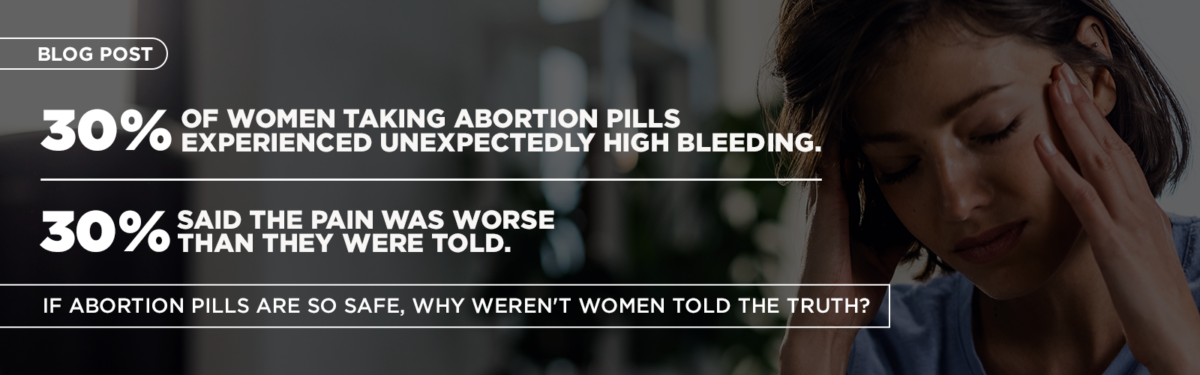
- A peer-reviewed study found significant gaps in informed consent for medication abortion, with 30% of surveyed women reporting unexpectedly high bleeding and 30% saying pain was worse than they had been told to expect.
- Broader research raises safety concerns about abortion pills, including a 2025 study finding roughly one in ten women experienced serious complications such as sepsis or hemorrhaging within 45 days of taking mifepristone.
- The abortion industry consistently withholds accurate information from women about the physical and emotional realities of medication abortion.
A peer-reviewed study published in June 2026 by the Charlotte Lozier Institute is raising fresh questions about whether women who undergo medication abortions with abortion pills are receiving adequate information about what to expect before, during, and after the abortion.
“No surprise here – the lack of accurate medical information when it comes to abortion is a trademark of the abortion industry,” said Abby Johnson, former Planned Parenthood director and founder and CEO of And Then There Were None and ProLove Ministries.
The study, published in the journal PLOS ONE, draws on two independent sources of data: an analysis of 179 personal narratives from online forums and media in which women in the United States described their experiences with the informed consent process for drug-induced abortions, and an online survey of 362 women between the ages of 23 and 55 who had taken abortion drugs within the past five years—the results of both groups largely aligned.
What the Data Showed
Among the survey respondents, 30% reported experiencing unexpectedly high levels of bleeding, and another 30% said the pain they felt was greater than they had anticipated. These findings point to a consistent gap between what women were told to expect and what they actually experienced.
“When I worked at Planned Parenthood, and we gave women the abortion pills, we also told them it was just like a heavy period, which is so far from the truth,” said Johnson. “When I had my medication abortion, I thought I was going to die on the bathroom floor from loss of blood – and not one person told me this could happen beforehand. I never promoted abortion pills again after that.”
Women in the study reported feeling the greatest need for more complete information in three areas: the physical symptoms of bleeding and pain, and the emotional and psychological impact of the process. The study found that many women, uncertain about what was “normal,” turned to online communities and forums to seek reassurance, process difficult emotions, and find answers to questions they felt their providers hadn’t adequately addressed.
Emotionally, women’s experiences were often layered and complex. Feelings of relief frequently coexisted with sadness, anxiety, guilt, and grief – a mix that many respondents indicated they had not been fully prepared for.
“The emotional impact of abortion is often understated by abortion clinics and supporters of abortion, which leads to a space where women who have intense emotions after abortion feel like they have nowhere to turn,” said Johnson.
“With medication abortions especially, women may be in the position of seeing their dead baby floating in the toilet or on the floor – what are they supposed to do after that? Are they supposed to flush the baby down the toilet? No one is preparing these women for what is going to happen in a medication abortion.”
Abortion Pills Are Dangerous
The largest study of women who took mifepristone, published in April 2025 by the Ethics and Public Policy Center, found that approximately one in ten women experienced serious complications, including sepsis, hemorrhaging, or infection, within 45 days of taking the medication.
Public skepticism about the drug’s safety is widespread. A survey of 1,600 likely voters conducted last summer found that only 16 percent considered the abortion pill “very safe.” A peer-reviewed study has also challenged claims commonly made by pro-abortion advocates that mifepristone is safer than over-the-counter pain relievers like Tylenol. The survey suggests that messaging has not gained broad public acceptance.
The risks of medication abortion are underreported, which is a reason why this latest study is so important. Personal accounts from women who say the abortion pill harmed them are compiled at LittlePillsThatKill.com. The 2019 film, Unplanned, received an R rating in part due to a scene depicting medication abortion.
Normalizing at-home medication abortion puts women at risk and reflects a transactional attitude toward women’s health on the part of the abortion industry,” said Johnson.
Why It Matters
Informed consent is a foundational principle of medical ethics. It requires that patients receive complete, accurate, and understandable information about a procedure, including its risks, side effects, and alternatives, before agreeing to it. When a significant share of patients report being surprised by the intensity of physical symptoms, it raises legitimate questions about whether that standard is being consistently met in practice.
“No matter where you stand on abortion, I think we can all agree that women deserve to know the truth about the inherent risks of abortion, especially when they can get those abortion pills so easily and have no medical oversight whatsoever,” said Johnson.